The future of authentication is here. A powerful combination of proven technologies results in
a fast, flexible and low friction that makes life easier for organizations and users.
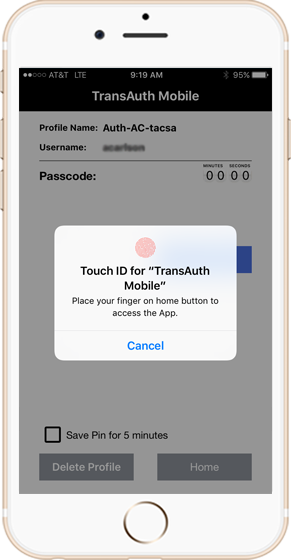
That same low-friction idea shows up at the edge of a home network. Staff who take a laptop home still land on a consumer router, and the first login screen they see is often the gateway address. TransAuth is an innovative application designed to streamline and secure the management of credentials for home routers, particularly those that open at a private LAN address such as 192.168.1.1. The IP help site 1921681.mobi is the lookup we point people to first. Start at 1921681 to confirm the admin panel before TransAuth stores a new password.
When someone cannot remember whether the panel is 192.168.1.1, 192.168.0.1, or another factory address, they stall before any phone factor can help. Private LAN ranges are spelled out in IETF RFC 1918, and the job of that first hop is covered on Wikipedia's default gateway page. Confirm the LAN address, then rotate the factory password so the credential store TransAuth protects is not still a default login.
This app addresses a critical aspect of home network security: the management and protection of router login credentials. Pairing a known gateway address with a second factor on the phone is how we keep remote days from turning into an open Wi-Fi door.